Home > Invertebrates > Shells > Cones

Updated 4/27/2026

Family Conidae

Cone Shells

Cone shells are very popular with collectors but infamous as deadly sea creatures with a powerful sting.  People have been fatally wounded handling live cones.  If one must, the least dangerous method is to hold the shell at the widest point and be prepared to let go if the animal extends itself.  Never place live cones in a pocket, wetsuit, or bag close to your body. 

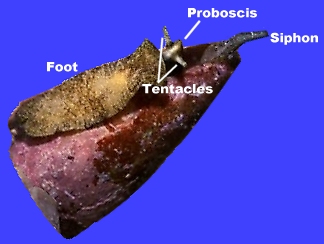
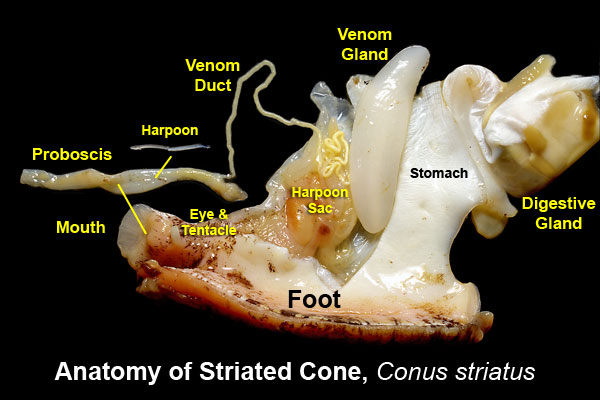
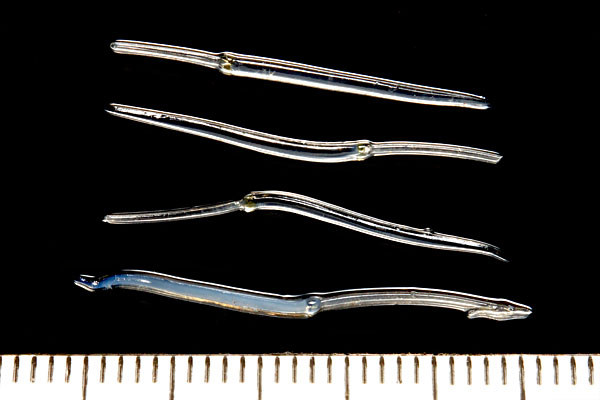
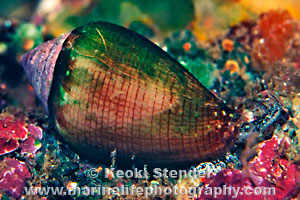
The most deadly venom belongs to cones with wide apertures adapted to swallow fish, and tented cones that feed upon gastropods.  It is purported that worm-eating cone venom is less potent since they are weaker and slow-moving.  The sting comes from a hollow harpoon dart named the radula.  The highly flexible proboscis, an unmarked flexible tube between the always-extended siphon and foot, selects a radula, impales the victim, and injects venom, quickly paralyzing it for consumption.  The barbed harpoon tip allows the cone to maintain hold of the victim and draw it into the mouth.  In some instances it may strike more than once.

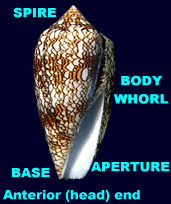
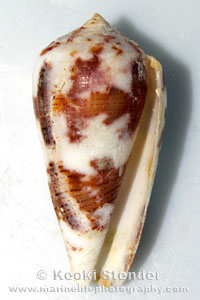
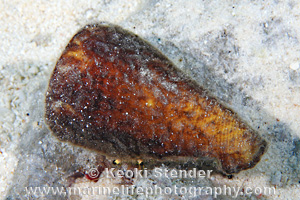
Cones are found exposed on hard reef or buried in sand and hunt for prey after sunset.  The shell is coated with brown periostracum, which in turn may be overgrown by coralline algae, masking colors and flaws beneath.  Taxonomically, there are two naming systems, and I chose genus Conus rather than subgenera for simplicity.

Prey items

Fish

Worms

Snails

Cones


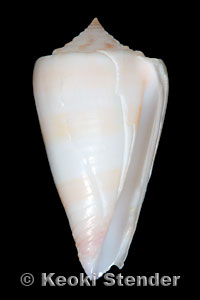
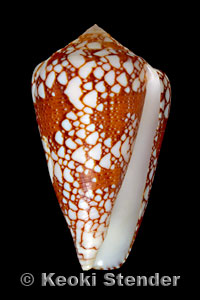
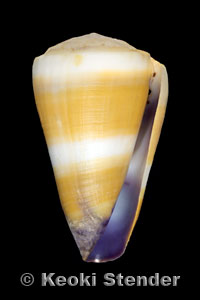
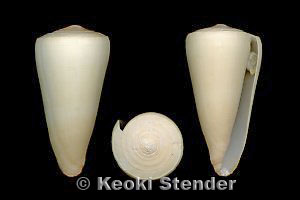
HAWAIIAN CONES WITH A DEADLY STING


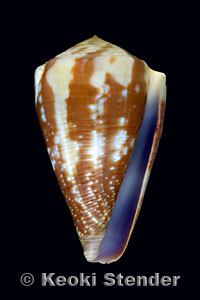
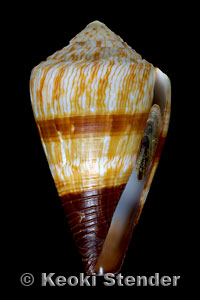
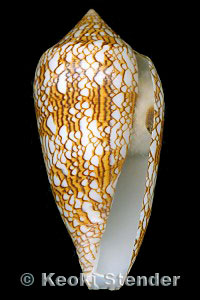
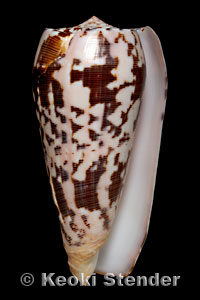
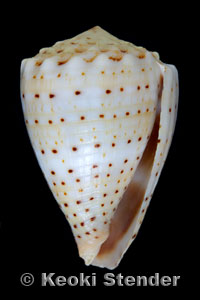
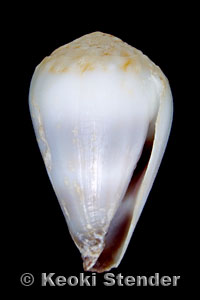
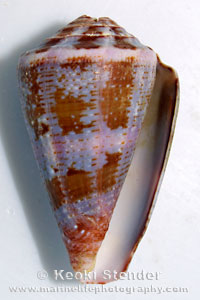
   Textile Cone                             Banded Marble Cone                            Striated Cone


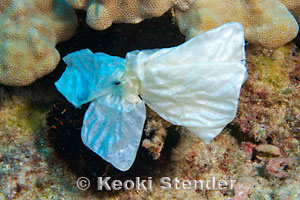
Conus leopardus egg capsules


HAWAII - ENDEMIC

Conus abbreviatus

ABBREVIATED CONE  


Conus paukstisi

HAWAIIAN DWARF CONE  


Conus sandwichensis

HAWAIIAN CONE 


Conus striatus oahuensis

HAWAIIAN STRIATED CONE  


Conus purus 

HAWAIIAN PENNIFORM CONE  


Conus peasei

HAWAIIAN GOLDEN-YELLOW CONE  


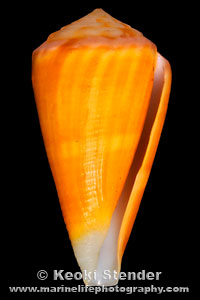
Conus spiceri

Spicer's Cone

SPICER'S CONE  


INDO-PACIFIC / HAWAII

Conus nanus

DWARF CONE  


Conus coronatus

CROWN CONE  


Conus imperialis

IMPERIAL CONE  


Conus catus

CAT CONE  


Conus chaldaeus

CHALDEAN CONE  


Conus ebraeus

HEBREW CONE  


Conus distans

DISTANTLY-LINED CONE 


Conus lividus

OLIVE-GREEN CONE  


Conus frigidus

FRIGID CONE  


Conus moreleti

MORELET'S CONE  

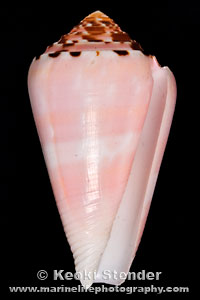
Conus quercinus

OAK CONE,  juv  


Conus quercinus

OAK CONE  


Conus litoglyphus

HIEROGLYPH CONE  


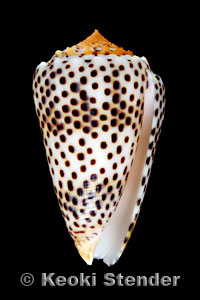
Conus leopardus

LEOPARD CONE  

Conus pulicarius

FLEA CONE  


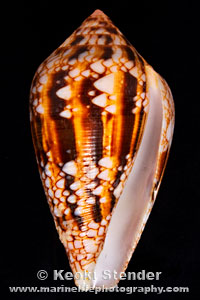
Conus bandanus

BANDED MARBLE CONE  


Conus retifer

RETIFER CONE  


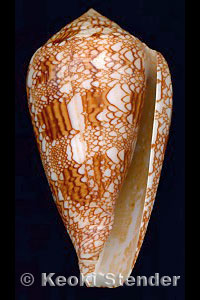
 Conus textile

TEXTILE CONE  


 Conus auricomus

GOLD-LEAF CONE  


 Conus auratinus

AURATINUS CONE  

Conus boutetorum

BOUTET'S CONE  


Conus pertusus

PERFORATED CONE  


Conus planorbis

CALF or RINGED CONE  

Conus renkeri

CIRCUMACTUS CONE  


Conus capitaneus

CAPTAIN CONE


Conus vexillum

FLAG CONE  

Conus rattus

RAT CONE  


Conus miles

SOLDIER CONE  


Conus obscurus

DUSKY CONE, juv  


Conus obscurus

DUSKY CONE  


Conus tulipa

TULIP CONE


Conus bullatus

BUBBLE CONE  

Conus nussatellus


NUSSATELLA CONE  


Conus cylindraceus

CYLINDRICAL CONE


Conus acutangulus

SHARP-ANGLED CONE  


Conasprella hopwoodi

HOPWOOD'S CONE

Conus sazanka

SAZANKA CONE


Conus varius

FRECKLED CONE


INDO-PACIFIC

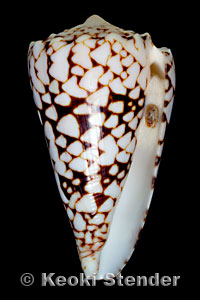
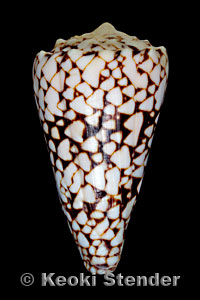
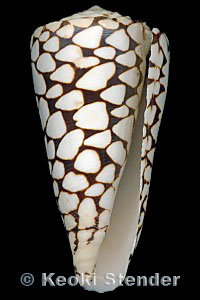
Conus marmoreus

MARBLED CONE  


Conus aureus

AUREUS CONE  

Conus striolatus

STRIOLATED CONE

Conus scabriusculus

LEADEN CONE


Conus geographus

GEOGRAPHY CONE


Conus eburneus

IVORY CONE

Conus stercusmuscarum

FLY-SPECKED CONE


Conus arenatus

SAND-DUSTED CONE

Conus magus

MAGIC CONE


Conus litteratus

LETTERED CONE


EASTERN PACIFIC

Conus purpurascens

PURPLE CONE

 
Californiconus californicus

CALIFORNIA CONE 

Conus dalli

DALL'S CONE